How Local Climate Determines Your Insulation Requirements
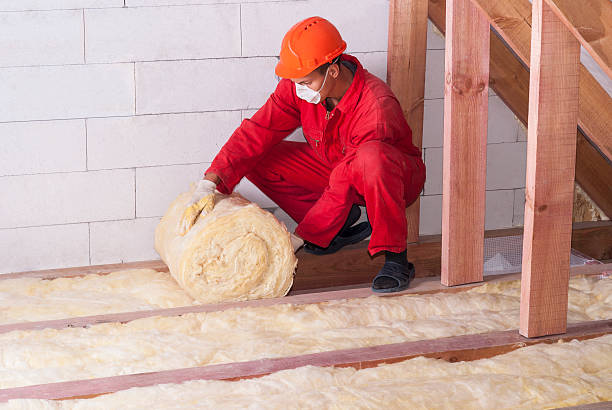
Your area's climate should always be considered when deciding how much thermal protection a building requires. Weather conditions vary considerably from one region to another. An insulation system suitable for one area may be inadequate in a completely different climate.
Proper climate planning allows property owners to choose insulation more effectively and avoid unnecessary energy costs. Buildings in warm climates generally require different insulation approaches than structures exposed to severe winter conditions. This is why climate should be one of the first things considered when planning thermal protection.
In hot and humid climates, insulation can play an important role in controlling indoor temperatures. Metal roofs and walls can become extremely hot when exposed to strong sunlight. If thermal protection is inadequate, heat can quickly move from the exterior into indoor spaces. Proper thermal insulation helps prevent excessive outdoor heat from reaching occupied spaces.
Air-conditioning equipment can operate for longer periods when heat constantly enters a poorly insulated structure. When temperatures rise significantly, increased cooling requirements may raise energy costs. Combining thermal insulation with reflective surfaces can help manage solar heat. The result can be a more comfortable indoor environment and potentially lower cooling expenses.
Humidity is another important concern in warm climates. Warm air can contain considerable amounts of water vapor. Water droplets can form when humid air reaches cold structural components. Over time, moisture can contribute to corrosion, mold, or other building problems. Moisture barriers can help reduce condensation-related problems in humid areas.
Cold-weather environments require insulation strategies designed to retain indoor heat. In freezing conditions, heating equipment may need to operate continuously to keep interior spaces warm. Inadequate insulation allows heated indoor air to escape through vulnerable parts of the structure. The heating system then has to compensate for that lost warmth.
Insulation with greater thermal resistance can reduce unwanted heat transfer. In harsh winter climates, appropriately selected insulation can make a major difference. Better heat retention can support both comfort and energy efficiency. To get more information about insulation, view here now!
Drafts and uncontrolled air movement can make winter buildings significantly less comfortable. Gaps around structural components can permit outdoor air to move into indoor spaces. Sealing these areas can improve the effectiveness of insulation and help maintain more stable indoor temperatures. Better temperature control can protect sensitive equipment and materials.
Many locations experience significant temperature fluctuations rather than one consistent climate. A day can begin with freezing temperatures, become warm in the afternoon, and then turn cold again at night. Such environments benefit from flexible insulation strategies that can handle temperature swings.
Repeated temperature fluctuations can cause structural metal components to change size slightly. A consistent insulation layer can help provide additional thermal stability. Good insulation can support the long-term condition of joints and framing.
A proper insulation assessment should begin by examining the climate characteristics of the building's location. Heat waves can have a major effect on insulation requirements. Winter conditions are equally important when determining thermal needs. Local moisture levels can affect how insulation and vapor barriers perform. Seasonal rainfall can influence moisture management and building durability. Regional wind conditions may influence air leakage and thermal performance.
Another important consideration is the R-value of insulation. It indicates the material's resistance to heat transfer. In general, higher ratings indicate stronger thermal resistance. There is no single R-value that is perfect for every structure or climate.
Warm climates and cold climates generally require different approaches to insulation ratings. Local regulations can determine the minimum insulation levels required for construction. Following these requirements is important for both performance and compliance.
Choosing a higher-performing insulation system can require a greater initial investment. The additional initial expense may be balanced by long-term energy savings.
Energy savings can help make a stronger insulation system a worthwhile long-term investment. Actual financial benefits vary depending on weather conditions, construction quality, energy use, and installation.
A building's roof should be carefully considered when developing an insulation strategy. Strong sunlight can cause roofing materials to become extremely hot. During winter, poorly insulated roofs may allow considerable indoor heat to escape. Effective roof insulation can help manage temperature regardless of the season.
Walls are equally important because they form a large part of the building envelope. Uninsulated walls can allow heat to move easily between indoor and outdoor environments. Installing appropriate insulation can help stabilize indoor temperatures.
Installation quality is just as important as selecting the correct insulation material. Gaps, compression, moisture problems, or missing sections can reduce overall performance. Careful installation is essential for achieving reliable thermal performance.
Good insulation works even better when unwanted air movement is controlled. Thermal insulation and air sealing perform different but complementary functions. Used together, these measures can improve overall building efficiency.
Ventilation should also be considered, particularly in buildings located in humid environments. Ventilation should balance fresh-air requirements with temperature and energy considerations. A complete insulation strategy should address more than heat alone.
Climate-conscious insulation can provide benefits beyond simple temperature control. It can help reduce energy demand, improve indoor comfort, protect structural materials, and support the long-term durability of a property. This makes insulation an important investment rather than simply another construction material.
Online resources can help property owners understand their insulation choices. If you want to explore the topic further, begin here! This website may help you understand the basics. You can read more here or read more now when comparing different insulation options. Explore the available information! You may view here. It is useful to learn more before selecting a specific system. For people seeking more information, click for more. You can click here to explore this subject. The homepage can provide additional material for those interested in the subject.
When researching this product, consider whether it is suitable for your climate. If you are considering this service, research the company and its approach carefully. Learning more about the installation and material options can provide useful information. The page you visit may explain these concepts in greater detail. Click here for more guidance or view here for more details.
Ultimately, the best insulation solution depends on where the building is located. Hot climates may prioritize heat reduction and moisture protection. A structure in a cold area may need greater thermal resistance and careful air sealing. Mixed climates require solutions that can cope with changing temperatures.
Studying climate conditions before installation can help property owners avoid poor insulation decisions. The right materials, correct R-value, careful installation, proper air sealing, and moisture management can work together to create a comfortable and efficient building. When insulation is matched to climate conditions, buildings can become more comfortable, efficient, and durable. Ultimately, understanding the local climate is one of the smartest steps toward choosing effective insulation.